The real problem with scaling experiential
Running one large experiential event is manageable. Running 20, 50 or 100 activations across festivals, venues and regions simultaneously is a completely different challenge — and most FMCG and drinks brands are trying to do it without the right tools.
Here’s what scaling experiential actually looks like without a dedicated platform:
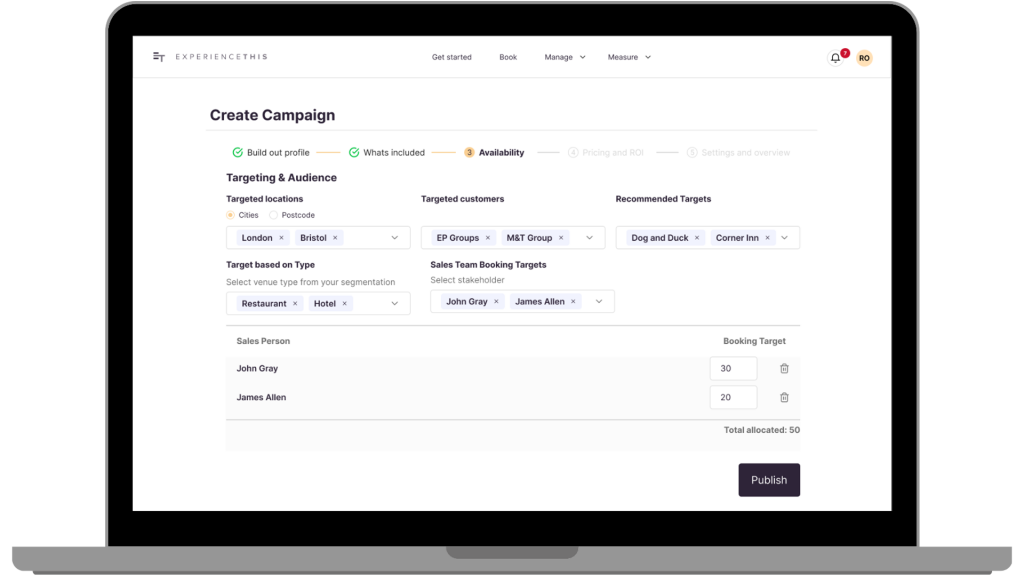
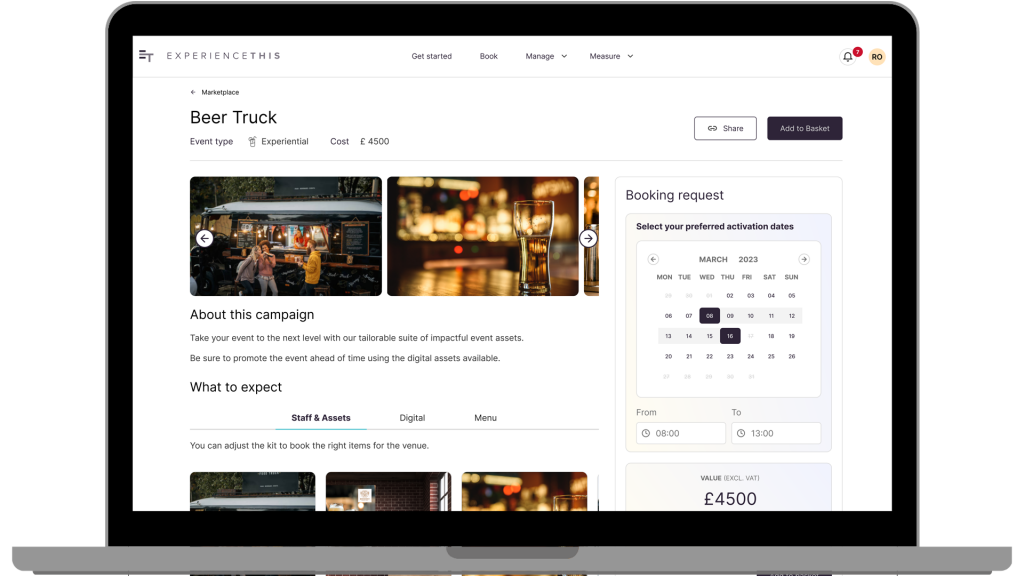
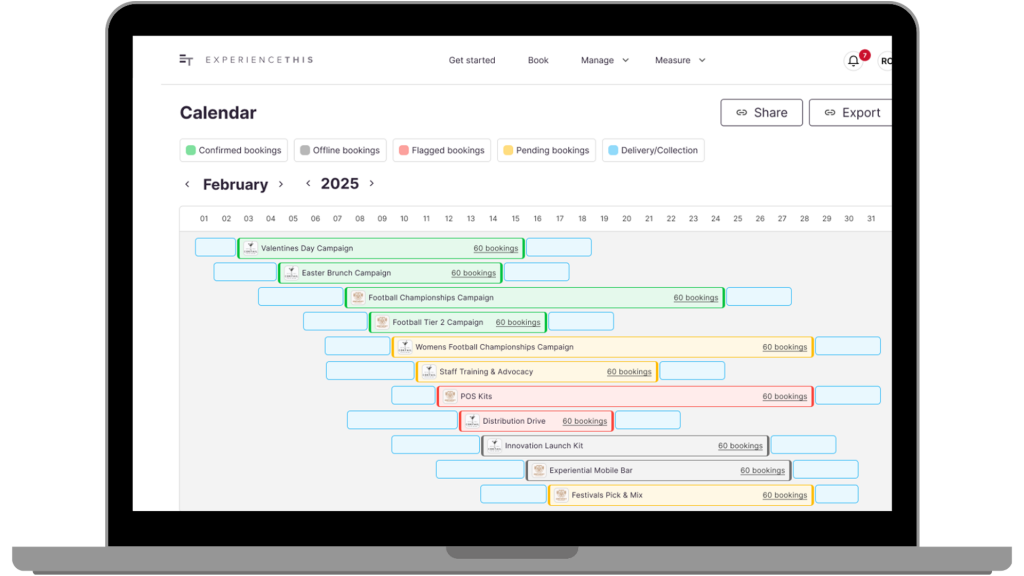
A brand decides they want to show up at 20 festivals that year. The sales rep goes out finding festival contacts and pitching — either bespoke or with a PowerPoint slide showing what’s available. They then have to email the warehouse to check if assets are free, because warehouse tools only show live stock, not future availability — so there’s usually a separate manual calendar tracker running alongside.
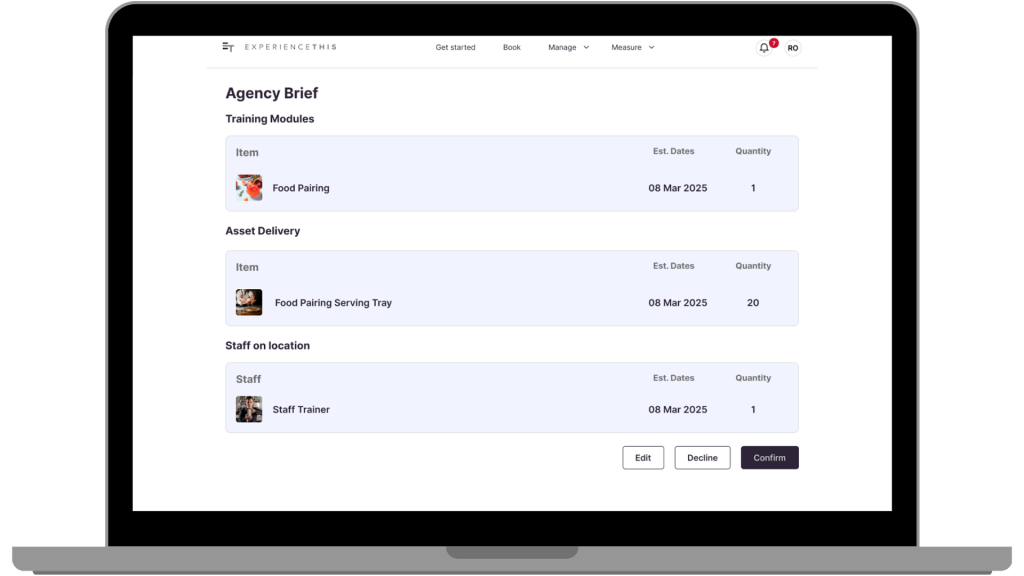
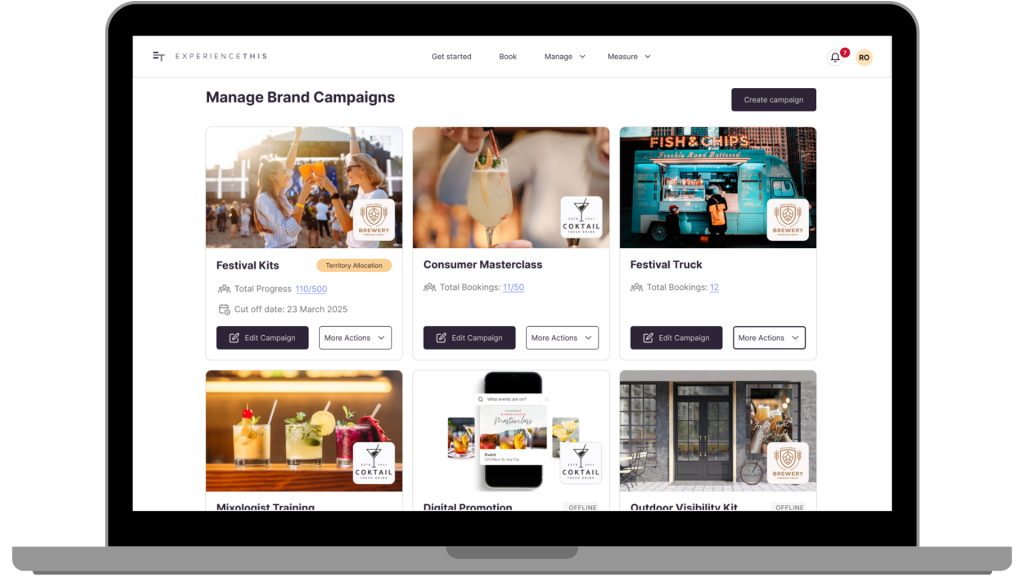
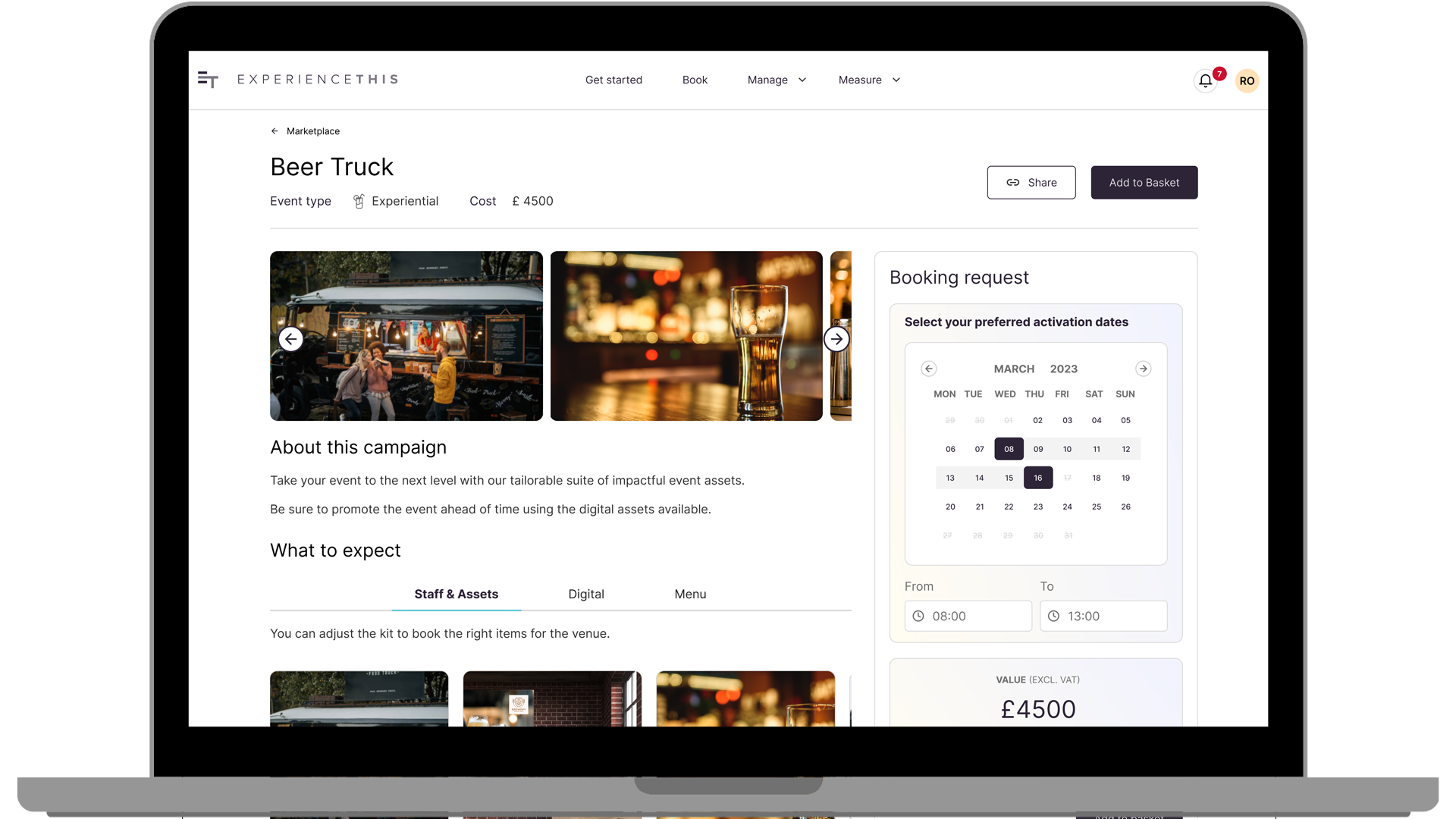
Then they might go to several different places to organise agency staff, digital assets, menus and other POS outside of the main experiential asset. Or they create everything bespoke, not realising assets already exist in stock — because nobody has a centralised view of what’s available and what the execution guidelines are.
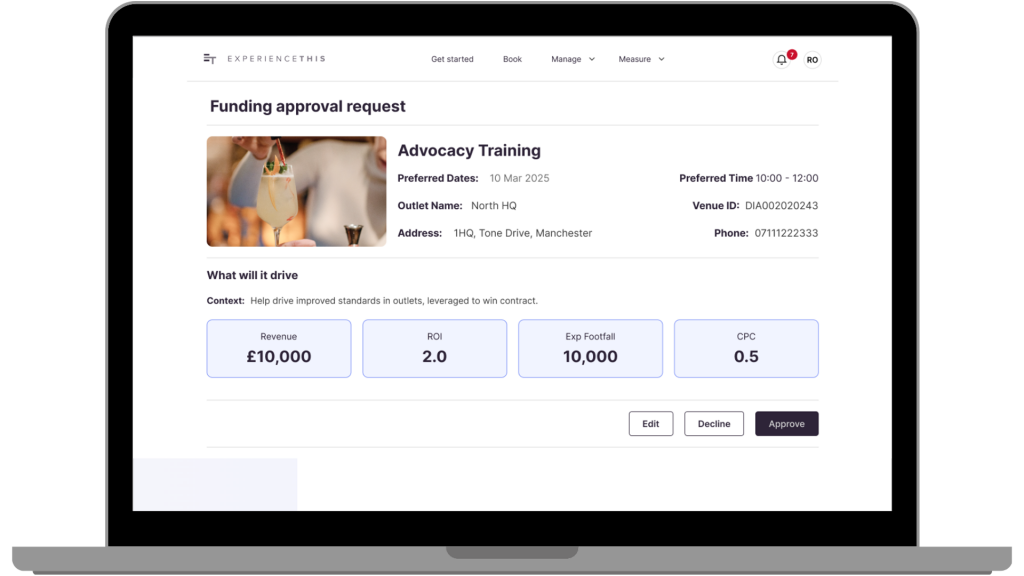
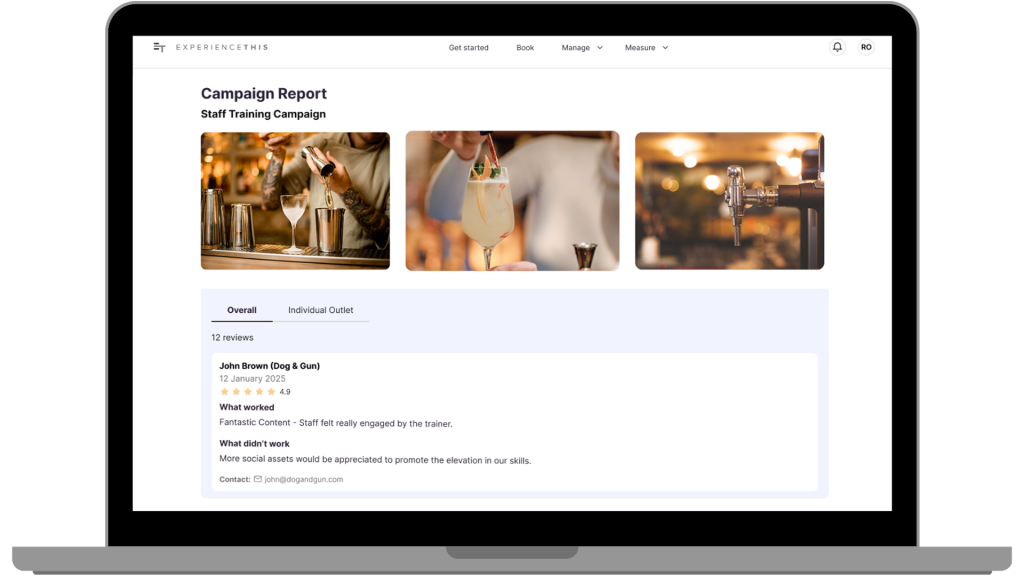
Approval requires back and forth with the brand team, customer marketing and multiple agencies — all by email. When it finally happens, the customer may not have been kept in the loop on delivery times or execution restrictions — creating last-minute chaos. The tracker is usually out of date. And measurement rarely happens, because nobody is clear on what happened, where or how to capture the data.
This is how most FMCG brands manage experiential. And it’s why scaling beyond a handful of activations becomes so difficult.